Can You Take Photos in London Nightclubs?
By Liam Foster, Niche Reviewer
Last updated: 13 July 2026
Somebody in every group asks it while the queue shuffles forward: can you actually take photos in there? Here is the honest shape of it. In most of the city's clubs the answer is yes, within some unwritten limits; in a famous handful the answer is a firm no, enforced with a sticker over your lens or a word from a floor manager. Here is how photography really works inside London nightclubs, venue by venue type, as of July 2026.
The Short Answer
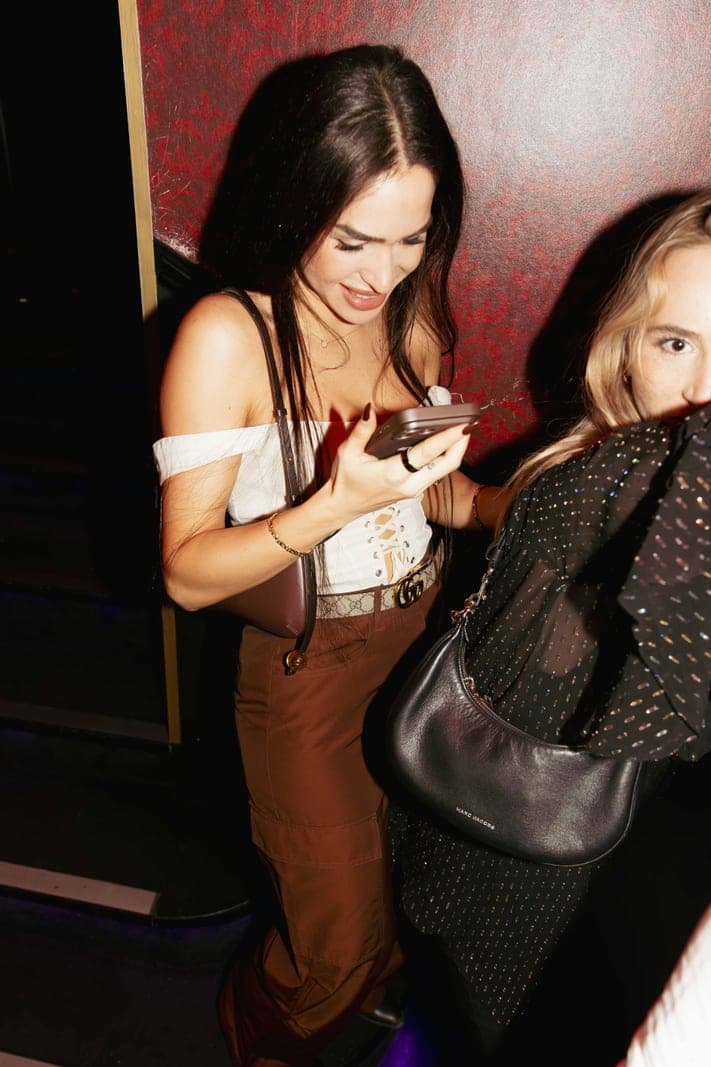
At the mainstream end of London clubbing, personal phone photos are simply part of the night. Venues know their best marketing is the crowd's own camera roll, most run official photographers of their own, and nobody will trouble you for shooting your own table or your own friends. The rule changes at two kinds of venue: rooms built around live performance, where cameras interfere with the show and the performers, and privacy-led rooms, where the whole offer is that what happens inside stays there. Professional cameras are a separate question again, and the answer to that one is nearly always no without prior arrangement.
The Clubs Where Phones Are Fine
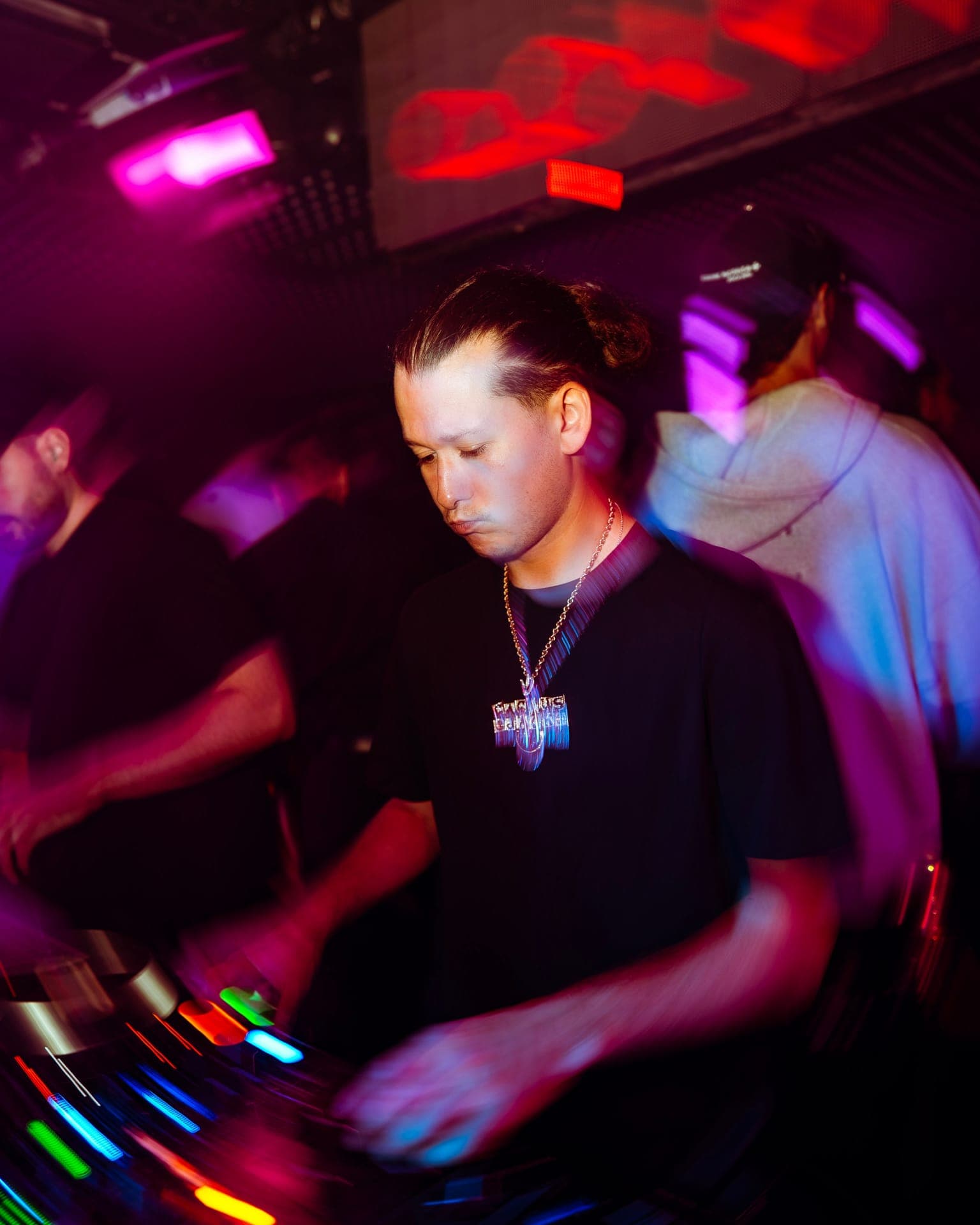
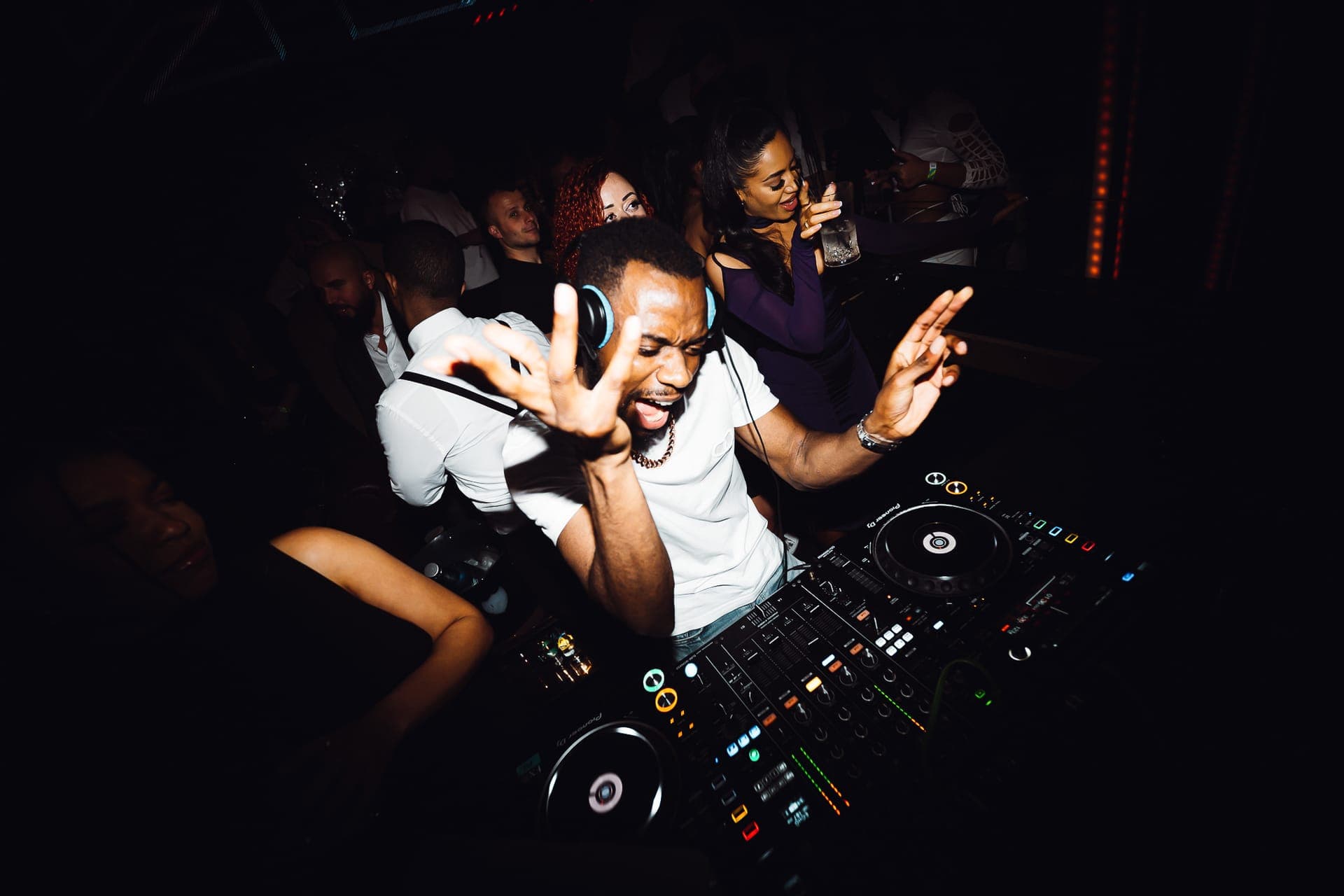
Across the big commercial dancefloors of the West End, phone photography is expected rather than tolerated. In the larger rooms the pattern is usually the same: the venue's own photographer works the floor early, the crowd films the confetti moments, and security pays cameras no attention at all unless a phone is shoved somewhere it should not be. The practical limits are physical rather than legal: dancefloor light is hostile to phone cameras, flash annoys everyone around you, and the shot rarely survives the night anyway. If the picture matters, take it early, when the room still has light and space.
The Famous Exceptions
London keeps a small set of rooms where photography is genuinely restricted, and they are restricted for good reasons. The Box in Soho is the best-known example: its late-night shows are the entire point of the venue, and phone use around performances is policed properly, with staff stepping in fast when a screen goes up mid-act, as of July 2026. We cover the wider experience in our guide to what to expect at The Box Soho. Cirque le Soir runs on a similar performer-first sensibility. And at the discreet end of Mayfair, some rooms restrict cameras not for the show but for the guests, because the promise of the venue is that nobody ends up on a stranger's story. On top of all this, any club can flip the rule for a night: private hires and certain events come with conditions the regular calendar never mentions, so treat the door's word as final.
The Sticker Over the Lens
The clearest signal you will meet is the camera sticker. At certain venues and on certain nights, door staff place a small round sticker over your phone's lenses, front and back, as a condition of entry. It is a strikingly efficient system: two stickers, a few seconds, no debate, and a whole room simply lives the night instead of filming it. The etiquette is simple. Leave the sticker on until you are back outside, do not test whether anyone is checking, and if a phone photo matters to you that evening, this is not the night for it. If you would rather not carry the temptation at all, the cloakroom takes phones as happily as coats.
Flash, Filming and the Unwritten Rules
Where photography is allowed, a short code keeps you welcome. No flash on a dark dancefloor, ever; it marks you out faster than anything you could wear. Shoot your own group, not strangers, and never point a camera at the door team or the bar staff while they work. Performers, dancers and DJs are working professionals: at most venues a quick crowd shot with the booth in the background is fine, but filming a performer at length is exactly what gets a floor manager's hand in front of your screen. And everywhere, the enforcement pattern is the same: one polite warning, then the phone goes away or you do. The people who fall foul of it are almost never malicious, just oblivious.
Photos That Are Actually Worth Taking
An honest closing thought: the best pictures of a night out almost never happen on the dancefloor. They happen early, in the first hour when the light still cooperates, or out in the smoking area, which is socially the brightest room in the building and photographically the only usable one after midnight. Most venues also publish their official galleries within a few days, and the house photographer had better light than you did. The scene's show-led corners, the ones Time Out's clubbing guide tracks, are precisely the ones where the memory has to do the work, and in our view they are better nights for it.
So yes, you can take photos in most London nightclubs, and in the ones where you cannot, the ban is usually the best thing about the room. If you are picking a venue and the camera roll genuinely matters, or you want to know a specific club's stance before you commit the night, get in touch and we will point you to the right room.
Ready when you are